Dreamspell 13 Moon calendar and kin guide

July 26 New Year Meaning

What does July 26 mean in Dreamspell?

In Dreamspell-oriented study, July 26 is commonly treated as the opening day of the next 13 Moon year. It follows the July 25 Day Out of Time and begins the next annual cycle after the 364 counted days of the previous year have closed.

Meaning Pages

Jump between the yearly frame, the Day Out of Time threshold, the July 26 new-year handoff, the 260-day Tzolkin, and the core Dreamspell vocabulary pages without leaving this learning path.

Annual Transition

How the new Dreamspell year opens

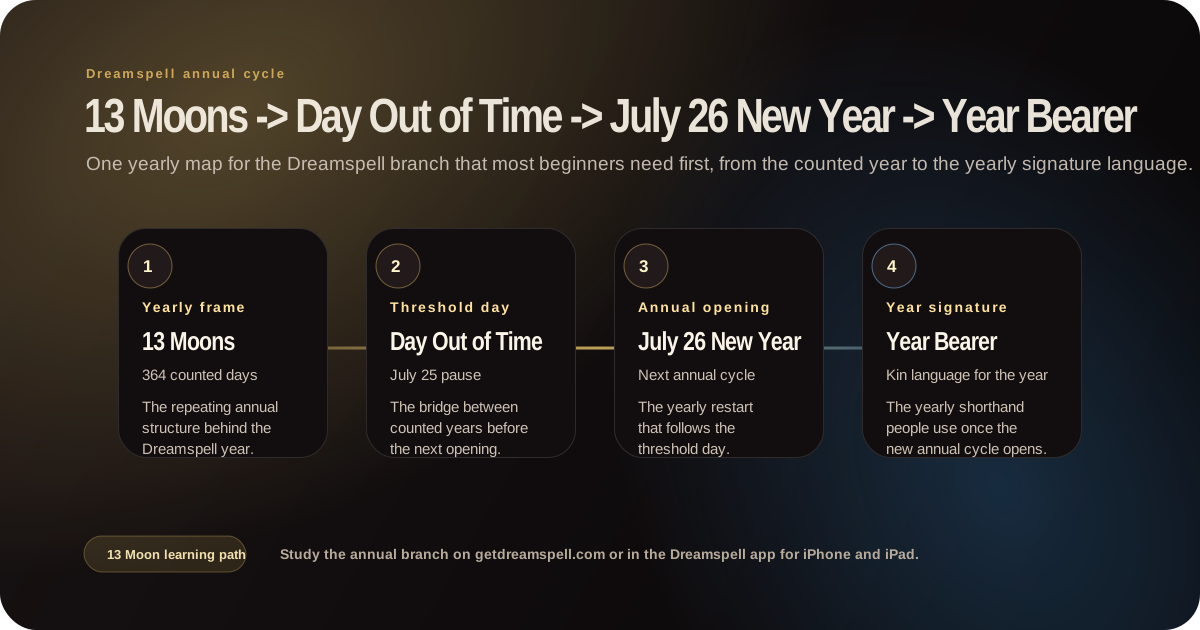
The new year makes the most sense when you see it as the third step in the yearly sequence: counted moons, threshold day, then the restart on July 26.

Dreamspell annual cycle map showing 13 Moons, Day Out of Time, July 26 New Year, and Year Bearer.
The July 26 question is one stop inside the broader annual cycle, which is why the same annual illustration is reused across the yearly cluster.

July 26 in context

The restart date is clearer when you can see what closes before it and what follows after it.

July 26 matters because it comes after the Day Out of Time and opens the next annual cycle. This annual map helps visitors hold that sequence at a glance instead of piecing it together from separate definitions.

Plain Language

July 26 is the start of the next Dreamspell year

If you are searching for July 26 new year meaning, the clearest explanation is that Dreamspell materials commonly describe the annual rhythm as thirteen 28-day moons, then place July 25 as the Day Out of Time and July 26 as the first day of the next yearly sequence.

This is why July 26 stands out so much in yearly Dreamspell language. It is not just another summer date in the Gregorian calendar. It marks the moment when the annual count opens again and the next set of thirteen moons begins.

For many people, this gives the whole yearly structure a clearer shape. One counted year closes, the Day Out of Time creates a threshold, and July 26 starts the next annual cycle with a fresh sense of orientation.

Simple takeaway

July 26 is commonly treated as the beginning of the next Dreamspell year after the Day Out of Time threshold.

How To Read It

How July 26 fits into the yearly count

The easiest way to understand July 26 is to follow the same annual sequence the app already teaches.

1. Thirteen moons make 364 counted days

Dreamspell’s yearly rhythm is commonly described as thirteen 28-day moons. That creates a 364-day counted sequence.

2. July 25 is the threshold day

The Day Out of Time on July 25 is treated as the handoff day between counted years rather than as one more moon day.

3. July 26 opens the next year

After the threshold day, July 26 begins the next 13 Moon cycle and resets the annual rhythm for the year ahead.

Why People Care

Why July 26 matters to people who study the yearly rhythm

Even people who focus more on kin and the Tzolkin often remember July 26 because it gives the Dreamspell year a clear beginning.

It gives the annual cycle a starting point

Instead of treating the year as a vague symbolic idea, July 26 provides a memorable opening moment for the next sequence of moons.

It pairs naturally with the Day Out of Time

The threshold day and the new-year day work best when understood together: one closes and pauses, the other opens and begins.

It helps annual reflection feel concrete

People often use July 26 as a point for intention, review, or reorientation because the next annual cycle starts there.

Important Distinction

July 26 is the new-year start, not the threshold day itself

This is the point beginners most often need separated clearly.

July 25: Day Out of Time

The Day Out of Time is the threshold between counted years. It is commonly described as the pause or bridge day in the annual cycle.

July 26: New year opens

July 26 is the next step after that threshold. It begins the next 13 Moon annual sequence and reopens the counted cycle.

Study With The App

How Dreamspell helps you understand the July 26 handoff

The public site gives the plain-language explanation, but the app keeps the annual lesson, calendar context, and daily study surfaces close together.

Course and Resources

The annual course already explains the 13 moons, the Day Out of Time, and the July 26 new year as one connected yearly lesson.

Calendar

Browse the year visually so the threshold between one annual cycle and the next stays grounded in actual dates.

Today

Keep the current daily kin in view while you learn the larger yearly handoff that frames the annual cycle.

Journal

Keep personal notes about the end of one year, the threshold day, and the beginning of the next Dreamspell year.

Next Step

Where to go after you understand July 26

Most people either zoom back out to the full annual frame or pair this page with the Day Out of Time so the yearly handoff is complete.

Threshold Day

Day Out of Time Meaning

Open the threshold-day explainer if you want July 25 and July 26 understood as one connected yearly handoff.

Open Day Out of Time
Annual Restart

Dreamspell New Year Meaning

Open the broader new-year page if you want the annual restart concept held as a whole instead of only as one date.

Open New Year Meaning
Year Signature

Dreamspell Year Bearer Meaning

Open the year-bearer explainer if you want the yearly signature language people attach to this annual opening explained next.

Open Year Bearer Meaning
Full Year

13 Moon Calendar Meaning

Open the annual explainer if you want the thirteen moons, the threshold day, and the next yearly opening all placed in one view.

Open 13-Moon Meaning
Big Picture

Guide

Use the guide when you want the annual rhythm, daily Tzolkin, tones, seals, and wavespells connected in one longer explanation.

Open Guide
Live App

Download Dreamspell

Go straight from this yearly explainer into the live App Store listing when you are ready to work with Dreamspell on iPhone or iPad.

Download on the App Store